
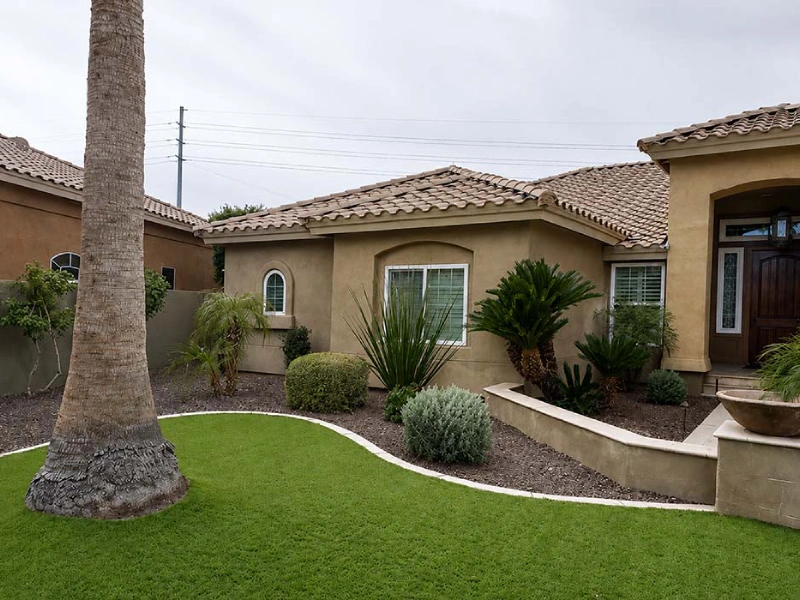
Arizona Spring Exterior Checklist Before Summer Hits
Spring is one of the best times for Arizona homeowners to take a closer look at their home’s exterior. In communities like Scottsdale, Phoenix, Mesa, and Chandler, this season gives homeowners a practical window to prepare before summer brings more intense heat, UV exposure, dust, wind, and monsoon weather.
That timing matters. Small problems that seem manageable in spring can become much more expensive once the hottest months arrive. A minor roofing issue can turn into a leak during storm season. Faded or failing paint can deteriorate faster under extreme sun. Drainage issues that seem minor now can become a bigger concern when heavy rain and wind pick up.
A spring exterior check is not just about maintenance. It is about getting ahead of problems while conditions are still manageable and before peak-season demand makes scheduling more difficult.
For homeowners managing properties in Scottsdale HOA communities, this window is particularly important — HOA compliance notices don’t wait for monsoon season to pass.
Why Spring Matters for Arizona Homes
In Arizona, spring is not just a transition season. It is the ideal preparation season. The weather is usually mild enough for inspections, repairs, and planning, and it comes just before the time of year when your home’s exterior faces its greatest stress.
For many homeowners, spring is the best time to:
- inspect the roof before monsoon season
- check for fading or failing exterior paint
- clear drainage paths before seasonal storms
- catch small issues before heat makes them worse
This is especially important for homes exposed to long hours of direct sun, blowing dust, and seasonal wind. Even without dramatic storm damage, Arizona weather gradually wears down roofing materials, paint, sealants, and exterior surfaces over time.
How Arizona Weather Affects Roofs and Exteriors
Homeowners in Arizona deal with a different set of exterior maintenance concerns than homeowners in colder climates. Instead of heavy snow and ice, local homes often face prolonged sun exposure, wide temperature swings, dust buildup, and strong seasonal winds.
Over time, those conditions can affect:
- roofing materials
- flashing and sealants
- stucco and siding
- fascia and trim
- painted surfaces
- drainage areas and valleys
That wear does not always appear all at once. It often shows up gradually in the form of cracked tiles, brittle sealants, faded paint, soft wood, or small water-entry points around vulnerable areas. Spring is the right time to notice those warning signs before summer makes them more severe.
What to Inspect on Your Roof This Spring
Your roofing system is one of the first places to inspect because it takes the most direct exposure from the elements. Months of sun, wind, debris, and seasonal weather can slowly affect roof performance, even when damage is not immediately obvious from the ground.
Start with a visual inspection and look for signs such as:
- cracked, slipped, or missing tiles
- lifted or damaged shingles
- worn flashing around vents and penetrations
- debris buildup in valleys
- standing water on flat or low-slope areas
- sagging or uneven roof sections
Even minor roof issues deserve attention in spring. Once summer heat intensifies and monsoon storms arrive, small weaknesses can turn into more costly repairs.
It is also smart to check inside the home for subtle warning signs. Ceiling stains, damp attic insulation, musty smells, or discoloration along upper walls can all point to moisture intrusion that may start at the roofline. When those signs appear, a professional roof inspection is worth scheduling sooner rather than later.
What to Check on Paint, Stucco, and Trim
Spring is also a great time to inspect exterior paint and surrounding surfaces. Arizona sun can be especially hard on painted exteriors, causing surfaces to fade, chalk, peel, and crack over time. What begins as a cosmetic issue can also become a protective issue if the finish is no longer shielding the material underneath.
Look closely at areas such as fascia, trim, patio covers, garage doors, entry doors, and high-exposure wall sections. Stucco and caulking should also be inspected, especially near windows, doors, and transitions where heat and weather tend to create wear.
Common signs of trouble include:
- fading color
- bubbling or peeling paint
- cracked caulking
- soft or exposed wood
- hairline stucco cracks
- worn edges around trim and fascia
Addressing these issues in spring helps preserve curb appeal, but more importantly, it helps maintain the protective layer your exterior needs before extreme summer conditions arrive.
Why Drainage and Flashing Deserve Extra Attention
Roofing problems do not always start with missing materials. Many begin in less obvious areas like flashing, drainage paths, and roof transitions. These are the parts of the home that quietly do their job until they stop doing it well.
Flashing around chimneys, vents, skylights, and roof-to-wall transitions should be checked for gaps, wear, or loosening. Drainage systems should also be cleared and inspected so water can move away from the roof and home properly once storm season begins.
Pay attention to:
- gutters and downspouts
- roof valleys
- scuppers and drains on flat roofs
- flashing around penetrations
- areas where water tends to collect
Good drainage supports the entire roofing system. When water cannot flow away efficiently, it increases the chance of leaks, staining, and gradual damage to surrounding materials.
A Simple Spring Checklist for Arizona Homeowners
A full exterior inspection does not have to feel overwhelming. A straightforward checklist can help homeowners stay focused and spot the most common problem areas.
Use this spring checklist as a starting point:
- Inspect the roof from the ground for visible damage
- Check ceilings and attic spaces for signs of moisture
- Examine flashing, sealants, and roof penetrations
- Clear gutters, drains, and debris-prone areas
- Inspect paint, stucco, fascia, and trim for wear
- Check caulking around doors and windows
- Trim overhanging branches near the roofline
- Schedule a professional inspection if anything looks questionable
This kind of seasonal routine can go a long way in protecting the home before harsher weather sets in.
When It’s Time to Call a Professional
Some problems are easy to spot, but others need an experienced eye. A local contractor can help determine whether a home needs repairs, repainting, preventive maintenance, or a more detailed assessment.
It may be time to schedule a consultation if you notice:
- cracked or missing roofing materials
- water stains inside the home
- peeling or faded paint
- damaged fascia or trim
- worn flashing or failed sealants
- exterior wear after a storm
- areas you are not comfortable inspecting yourself
For homeowners in Phoenix, Scottsdale, Mesa, Chandler, and surrounding areas, working with a contractor who understands Arizona conditions can make a real difference in both the diagnosis and the long-term solution.
Get Your Arizona Home Ready for the Season Ahead
At Envision Painting & Roofing, we handle roofing and exterior painting under one contract — so a spring inspection covers both your roof and your paint in a single site visit, not two separate appointments with two separate contractors. We’ve worked in occupied Scottsdale HOA communities, custom homes in Paradise Valley, and residential neighborhoods across the East Valley. If your home hasn’t had an exterior evaluation this spring, now is the time.
FAQs
What should I inspect on my Arizona home in spring?
Inspect the roof, flashing, drainage, stucco, trim, fascia, caulking, and exterior paint before summer heat and storm season begin.
Why is spring a good time for roof inspection in Arizona?
Spring gives homeowners time to catch roofing issues before extreme summer temperatures and monsoon weather make them worse.
Can Arizona sun damage exterior paint?
Yes. Arizona sun can cause paint to fade, chalk, crack, and peel, especially on surfaces with heavy exposure.
Should I inspect my home before monsoon season?
Yes. A spring inspection helps identify roofing, drainage, and exterior issues before wind and rain increase the risk of leaks and damage.
Schedule Your Free Consultation
Call: 480-613-9580 (Residential) | 480-613-5988 (Commercial)
Email: info@envisionservicegroup.com
ROC 255123 | ROC 300480
Envision Painting & Roofing has been handling roofing and exterior painting in the Phoenix metro since 2007. We work with homeowners, HOA communities, property managers, and real estate investors — roofing and painting under one contract, no GC markup, one point of accountability.